
Searching for Lizards After Dark with Jordon King
Special | 32m 21sVideo has Closed Captions
Jordon King leads a nighttime hunt for lizards in the Everglades with Dr. Rae Wynn-Grant.
Ecologist Jordon King has traded in Miami night clubs for herping in the Everglades after dark! He takes Dr. Rae Wynn-Grant searching for reptiles and amphibians in the wild, and introduces her to the world of herpetology, the science devoted to studying these creatures. As they venture into the wetlands after dark, they discover a side of the Everglades that often goes unnoticed.
Problems playing video? | Closed Captioning Feedback
Problems playing video? | Closed Captioning Feedback
Major support for NATURE is provided by The Arnhold Family in memory of Henry and Clarisse Arnhold, Sue and Edgar Wachenheim III, Sarah and Sandra Lyu in memory of Seung...
Searching for Lizards After Dark with Jordon King
Special | 32m 21sVideo has Closed Captions
Ecologist Jordon King has traded in Miami night clubs for herping in the Everglades after dark! He takes Dr. Rae Wynn-Grant searching for reptiles and amphibians in the wild, and introduces her to the world of herpetology, the science devoted to studying these creatures. As they venture into the wetlands after dark, they discover a side of the Everglades that often goes unnoticed.
Problems playing video? | Closed Captioning Feedback
Where to Watch Nature
Nature is available to stream on pbs.org and the PBS app.
Buy Now
Explore More Ways to Watch
Bring the beauty and wonders of wildlife and natural history into your home with classic NATURE episodes.Providing Support for PBS.org
Learn Moreabout PBS online sponsorshipMore from This Collection
Journey deep into the heart of the world’s most remote jungles, savannas, tundras, mountains, and deserts with wildlife biologist Dr. Rae Wynn-Grant as she studies wild animals in their natural habitats. We're heading out of the studio and into the wilderness, bringing you closer to the people, the animals, the sounds and the stories that make these wild spaces so magical and so worth protecting.
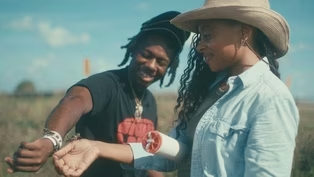
The King of the Everglades: Soil Science with Jordon King
Video has Closed Captions
How do you study a wetland when it isn't wet? Jordon and Rae enter a very dry Everglades. (24m 49s)
Providing Support for PBS.org
Learn Moreabout PBS online sponsorship- I'm Dr.
Rae Wynn-Grant, and, today, I'm in the Florida Everglades, currently being eaten alive by mosquitoes.
Jesus, be a mosquito net, please, because, Lord knows, yesterday, my God, probably lost a liter of blood.
It's a hazard of the job, I guess.
Almost, last minute.
And while I do my best to put on a brave face, I do this for the love of the game, and, tonight, that means herping with this guy right here.
This is "Going Wild."
(eerie music) (Jordan laughs) I spent much of the morning with Jordan King, learning about his work as a soil ecologist and getting my own initiation into the Everglades, but as the sun began to set, Jordan had a whole different kind of adventure in mind.
We've seen this place by day.
- Yeah, I kind of get it like... - It's time to see what comes alive at night.
Tonight, we're going herping.
That's the term for searching for reptiles and amphibians.
- That's fire.
Yeah, that's really good.
- Yeah.
- Yeah, it's so good.
- Thank you.
- [Rae] Jordan may spend his day studying soil.
Here, I'll hold your bag.
But his love for the natural world goes way beyond what's beneath our feet.
If you needed proof, just take a look at his teeth.
- It took like a month and a half or two for them to get made, and this one was probably like three months.
- [Rae] Three months, oh my gosh.
- Yeah, I want to get some more though, like some chameleons on it and like a alligator.
Maybe an alligator, like going straight across the teeth.
- [Rae] This one already has, oh, a fish.
- [Jordan] It's a fish, and then this is a dolphin.
(gentle music) - From wading through the Everglades to chasing after lizards, he's brought hundreds of thousands of people along for the ride, and I can see why.
He's curious and completely unapologetically himself.
Tonight, we're doing something Jordan knows all too well, (Rae laughs) searching for lizards, and as it turns out, Jordan's been doing some version of this since he was a kid, growing up in Jamaica.
Herping doesn't exactly lend itself to sit down conversations, so we took part of our chat to Zoom.
- I grew up in a little bit of a different era.
So like when I was growing up, I mean, yeah, I'm not gonna make myself sound old, but the internet was- - You're not, trust me, you're not old.
(laughs) - But like, yeah, I didn't.
I grew up mainly like playing outside with my cousins because they kind of live in nature, if that makes sense.
It's like kind of like the bushes.
So like the bush, like it was really close to like go explore like the little jungle area in the neighborhood, and then go look for, you know, different things like find snakes and stuff like that, and yeah, they all play like a part in exposing me to nature.
(vehicle revs) - [Rae] Now, instead of the Jamaican bush, it's the Florida Everglades.
I'll follow you.
And, tonight, lucky me, I get to tag along.
- [Jordan] Straight and turn right.
(footsteps crunch) - [Rae] We're dressed very differently.
(both laugh) - [Jordan] I'm dressed like I'm about to go to the pool or something.
- [Rae] No, you're dressed deliberately with your personal style.
I would never claim this as my personal style, but here we are.
- You're dressed for nature.
- The field.
We're heading to one of Jordan's favorite spots for finding lizards, which believe it or not, is right along the shoulder of a busy road.
Cars are whizzing past, and it's not exactly where you'd expect to go looking for wildlife, but I suppose that's the thing about Florida.
You never quite know where the wilderness begins or where it ends, and as it turns out, the lizards don't seem to mind the traffic.
How high up do they go?
- [Jordan] It depends.
You might find some like right there.
You have some that are like even right here and just go up and like grab them.
- [Rae] When we first start looking, there's still plenty of daylight, a little too much actually for the creatures we're hoping to find.
- [Jordan] But we still got to wait like 'til it gets like super dark.
- [Rae] And just like that, the last of the light disappears, darkness.
(gentle music) (insects chirp) Wait, what is the quote?
Like at midnight black boys look blue.
- [Jordan] Yeah.
- It's getting dark, and with the cars passing just a few feet away, we're taking a few extra precautions.
So on go the headlamps.
They'll help us spot the lizards we're looking for and make sure passing drivers can spot us, too.
Here, wear one of these for safety.
- [Jordan] I wonder if it could fit on my hat.
(vehicle revs) - [Rae] Do you want all of your twists out?
- Yeah.
- You've got one.
Do you mind if I touch your hair?
- [Jordan] No, it's okay.
- There you go.
- Thank you.
Is this side good?
- [Rae] Oh no, you have one.
Just the back one.
- Okay, thanks.
Look good?
- Yeah, that looks really cool.
So now, we have safety.
We've got lights.
We're looking for eyes, right?
- Yeah, so like any bright green coloration, which means that they're sleeping.
- [Rae] Which means that they're what, sleeping?
- [Jordan] Yeah, so like they sleep at night.
Most lizards do.
So you'll be able to see them easier than the daytime.
- Okay.
- So yeah, we could just walk along the street.
- Okay.
- And point the light in both directions, like over there, over here.
- Okay, so how many chameleons do you think we'll find, one?
- Chameleons?
Maybe none, honestly.
- 'Cause why?
'Cause it's dry season?
- Not even.
This spot is just like known to everyone.
- Oh.
- And people come out here and take them all the time.
- And they take them?
- Yeah.
- Oh, wow.
- It's not good if we find them because they're not natives of Florida anyways.
So people did bring them out over here through that pet trade and stuff and kind of put them in different areas.
- I bet folks don't know that 'cause they think a chameleon is like a tropical lizard.
- Yeah.
- This is like almost, you know, the subtropics.
I know spiders also have shiny eyes.
- [Jordan] Yeah, there's a few spiders over here.
- [Rae] Yeah, I think I saw one.
Now, most people have a pretty different idea of a night out, but the more time I spend with Jordan, the more I realize this isn't just his work.
This is genuinely his idea of a good time.
- [Jordan] You just like twist it like this.
- Actually... Oh no, that's just dimmer.
Talk to me about moving to Southern Florida, starting a graduate program for soil sciences, and yet still like, in your free time, journeying outside for wildlife.
'Cause I just have to say, I went to college in Atlanta, Georgia, and we used to drive to Miami from Georgia for spring break.
- Oh, yeah, (indistinct).
- So I spent a lot of time in Miami for spring break, but it had nothing to do with science or nature.
That's for sure.
- Yeah, so I used to go to like the parties and clubs and stuff like that, and then, at some point, it was just becoming not so fun.
So I started focusing on things that I actually like to do, and then one of my out of music became like looking for like reptiles, which I recently got into, and I learned that Florida had chameleons.
I'm like, chameleon?
That's like one of my dream things to like see.
(laughs) So I eventually stumbled across it with the help of some like friends and stuff, and from there, I just started kind of figuring what else Florida has.
Florida has so many different things that, obviously, like don't belong here, but, yeah, there's like a lot of cool like reptiles that you could find in Florida.
- There's also like so many things you can do at night in the Miami area, and so the fact that you like tried the partying club scene, because it is iconic, it's not just like any club scene.
It's like one of the most notable in the world, but, instead, these days you find yourself like in nature only.
- Yeah, yeah.
I prefer to do that rather than, you know, go to like a club and like listen to music.
I mean, I don't listen to music at home, I mean, not to sound like bad person, but... (laughs) This light is way brighter.
- [Rae] I'm just a big spotlight.
(Jordan laughs) It's pitch black now, and I'm waving this beam of light through the trees looking for anything, a pair of eyes, a rustle in the leaves, the slightest bit of movement.
I'm so caught up in the search that I'm barely paying attention.
There's something oddly exciting about it actually.
Every branch and every shadow feels like it could be hiding something.
Like at any moment, something might reveal itself around the corner.
(insects chirp) - [Jordan] Have you ever done this before?
- Not for chameleons.
- No?
But for what, specifically?
- [Rae] I did herping in South Georgia in the Okefenokee National Wildlife Refuge.
- Oh nice.
- And we were mostly looking for snapping turtles.
- Did you find any?
- Yes.
- [Jordan] How big?
- [Rae] Like medium size, which are like kind of dangerous.
- [Jordan] Yeah, yeah.
- [Rae] Like they can take your hand off.
- [Jordan] You've never been bit by anything before, right?
- [Rae] Have I ever been bit by an animal?
I got, no, I got bit- - A what, iguana.
- What?
- Right there.
- (gasps) Oh, I see the iguana.
Our first find of the night is a green iguana.
I know that they're invasive here.
(laughs) - Yeah.
- [Rae] It's like there's so many awesome animals that don't belong, cayman, iguanas, pythons, chameleons.
- [Jordan] His eyes are open.
- [Rae] Oh, you can see his eyes?
- [Jordan] Yeah, if you come like right here, this is the first lizard of the night.
- [Rae] Yes, it is.
He's a little too high up for us to get a good look.
Too far up for us to get.
- Yeah.
- [Rae] Suddenly, I am all in.
We've got ourselves a proper lizard hunt.
- [Jordan] They also have a basilisks over here.
You know the Jesus lizards?.
So I found one the last time I was here.
- Really?
- [Jordan] And they're usually on these like.... - Like low to the ground?
- Yeah.
Well, like they're tricky to find, 'cause like they'll be behind the grass, but you could just see their claws.
- Oh.
- So like you really have to look, and we have a little way to walk.
So we might find some more cool stuff.
(vehicle revs) (gentle music) (footsteps crunch) - [Rae] Cars.
(gentle music continues) If you can't tell, the basilisk happens to be one of Jordan's favorite lizards.
Famously nicknamed the Jesus Christ lizard for its ability to run on water, it's quite the little creature.
More cars.
At night, basilisks often settle into the trees, so we've got our eyes peeled, and apparently, all we had to do was say its name, because we wouldn't have to wait too long.
(gentle music continues) (footsteps crunch) - Basilisk.
- You found one?
- Yup.
- [Rae] Oh my gosh, let's see, let' see, let's see.
- [Jordan] See them?
- [Rae] Oh yeah, you're right.
You can only see like the legs and the claws.
- [Jordan] This is what we're gonna do.
- [Rae] And there it is, clinging to a thin stalk of grass gently swaying in the breeze.
Its little body blends so perfectly into the yellow and brown grasses.
- They're fast.
- But, honestly, I could have looked right at it and missed it completely.
- [Jordan] That's a big one, too.
- [Rae] But not Jordan.
Somehow, even in the dark, he knows exactly where to look.
- [Jordan] I could pull the thing now so you guys can see it better.
Hopefully, he doesn't run off.
(gentle music continues) - He gently pulls the stalk down, bringing it closer so he can get a better look.
(stalk crackles) Oh my God, that's a beautiful lizard.
Look at that, nice, nice.
Do you know if it's native or invasive?
- These are invasive.
- They are.
- Yeah.
- Everything, gosh.
Before I can even say hello, this little invasive species leaps into the air.
Oop, there it goes.
- He ran off.
- Yeah, he jumped.
And disappears into the grass as if it had never been there at all.
- [Jordan] That's the second lizard of the night.
- [Rae] Iguana, what is it called?
- [Jordan] A basilisk, next one I see, I'll grab it.
- [Rae] Back to the search we go.
- [Jordan] Is this your first time in the Everglades?
- Yes.
- It is?.
- [Rae] But it's not long before... I've done a lot of work in Florida, but never in the Everglades.
Something else catches our eye.
(footsteps crunch) You saw something moving and running?
- [Jordan] Yeah, there's something big, too.
(footsteps crunch) It's gone now.
- [Rae] Yeah, it goes so fast.
- [Jordan] Yeah, I hear it.
You hear it?
- [Rae] No.
(vehicle revs) - [Jordan] I just can't see it.
Don't know what it is.
- [Rae] Now, I'm beginning to understand that finding a lizard and actually getting your hands on one are two very different things.
Oh, now, I hear it a little bit.
- You hear something?
- Yeah.
We're three sightings in, and so far, the lizards are winning.
- [Jordan] That's probably gone, (indistinct).
I'm sorry, I didn't mean to cut you off.
- I got a sign- - No, it's okay.
This is actually why we're here.
You'd think we'd be ready to call it a night, but neither of us seems particularly interested in going home.
Somewhere between the near misses, the false alarms, and the laughing, I'm beginning to realize that catching a lizard might be beside the point.
Turns out, you can have a pretty great time just looking for one.
If I wasn't here, would you be with friends or do you do it by yourself or a little bit of both?
- I would say like a little bit of both, a little bit of both.
I try not to go alone.
It's always good to have someone there with you, just in case of emergencies, you know?
So I try to always like go out with people.
- Yeah, It'd be better with friends, and you could also cover more ground.
You can see more things.
- Yeah, exactly, 'cause they might see something that you didn't see.
- Uh-hmm.
- Yeah.
- Which is what happened with us.
You're seeing everything, and I'm like barely catching an eye of a single like lizard.
- Yeah.
- You need two... You need four eyes for this.
- No, definitely, and you get better with time and just more experience.
Like you're able to see things easily 'cause you know what to look for, you know?
It's kind of like a scavenger hunt.
The lizards are playing hide and seek with you.
(vehicle revs) Oh, look.
- [Rae] What?
- [Jordan] Another basilisk.
- I don't see it.
- Right there.
Basilisk.
- Oh, yeah, yeah, yeah, yeah.
- Sleeping.
- Oh, he is sleeping.
- [Jordan] We'll find another one.
(vehicle revs) - [Rae] Wandering around the Florida Everglades in the middle of the night isn't exactly for the faint of heart.
- Ready?.
- Uh-hmm.
There's a lot more trial and error than actually catching, but that doesn't mean we're not seeing things or feeling things.
Ooh, he tickles, oh my God.
- It feels weird, right?
- Oh my gosh, (indistinct).
It just... (breathes heavily) It's like you have to like not freak out 'cause it tickles.
(Jordan laughs) The bugs, for one, are making sure of that.
I don't have a fear of insects, but it's just like the feeling.
- [Jordan] It does, it's just like they feel weird.
- [Rae] All right, tickle off, buddy.
Being out here in the dark, looking for the slightest sign of life, getting excited over every little discovery, I feel like the kid I used to be when the whole world was still one big, wonderful mystery.
Okay, off you go.
I got to find a lizard.
- [Jordan] Oh, there's another basilisk right there.
Another one.
- You found one?
- Yeah.
- Oh, yeah.
And then... - [Jordan] Just trying to grab it, honestly.
- [Rae] Just when I'm getting lost in the thrill of it all, like magic.
We got one.
We actually... Jordan got one.
Catch a lizard.
- [Jordan] I'm sorry, buddy.
I'm sorry, I'm sorry, I'm sorry.
- [Rae] Even in all of his excitement, Jordan understands that we're truly the intruders here.
- I'm so sorry.
- We've interrupted this little creature's night, stepped briefly into a world that isn't ours, and he's sorry for the disturbance.
- I'm so sorry.
- That's part of what makes Jordan such a good scientist.
His curiosity does not come at the expense of his care.
He understands that the creatures he studies have lives of their own, entirely apart from our fascination with them, and even in this small encounter, he treats that life with reverence.
- [Jordan] This is a baby basilisk or like a Jesus lizard, and they're called Jesus lizards because their ability to run on water, like with these legs, but they like run like upright.
- Have you ever seen them run on water?
- I've seen videos, but not in person.
- Yeah, me either.
- So like they run like on their two legs right here, and they're able to somehow like just run straight across water.
It's pretty cool to see.
- And this, we've been seeing them on some of these branches, but big, and so this one is just little.
- [Jordan] Yeah, they're like invasive in Florida.
- [Rae] That's right.
The basilisk lizard is actually an invasive species here in Florida.
Native to Mexico and Central America, these lizards made their way to Florida largely through the exotic pet trade, and while they've established themselves here, scientists are still trying to understand what their presence means for the state's ecosystems.
- Yeah, I'm not a wildlife biologist.
This is just a hobby.
Like I come out here at night and like look for stuff that are interesting, kind of like learn more about them as I go.
- And then you do really impactful science communication work about it.
- Yeah, I try to.
- You try.
You do, you do.
- (laughs) I try to.
- I mean, the internet loves you for really good reasons.
You educate a lot of us about what's right in the backyard.
- Yeah, these things are like really cool, and he's like angry.
You want to hold him for a little bit?
Are you scared?
- I'm not scared.
- Just don't want to get bit.
- I just don't want to get bit.
- But this, this is a baby one.
So if it bites you, you won't like bleed or anything.
It should be good.
- [Rae] Was there a slight pause on my end?
Perhaps.
- Just kind of like hold it like this.
- Like around its neck?.
- Uh-hmm.
- But that's not fear.
- You should be good.
- How are you going to hand it off to me?
That's called making an informed decision.
- There you go.
- Thank you very much.
He is trying to bite me.
I'm sorry, we're not gonna hurt you.
We're gonna let you go, in fact, even though you're invasive.
We are just learning about what's around.
- Yeah.
So this is like maybe the fifth one we've seen this night.
This is the most I've seen out here, to be honest.
- [Rae] Yeah, this is our... This is our fifth one, and you know what's been on my mind?
I don't know if you think about this, but like there's so many invasive species in Florida.
- Yeah.
- That are causing a lot of problems, and so the idea is to remove them, but I've just been thinking about how they didn't ask for this, you know?
- Right, yeah.
- It's not their fault that... Like they didn't... Invasive species sometimes sounds like they invaded deliberately, you know?
- Yeah.
- Like they tried to take over, but no, they were introduced.
- Right, exactly.
- And then became invasive.
Like you're not automatically invasive.
There's like steps to it.
First you're introduced.
- Yeah.
- Then they establish a breeding population, and then it becomes invasive.
- Right, I think they should have went with introduced species instead of invasive.
That would've probably been a little bit better.
- Just like, to be fair to these animals that are just trying to live wherever they're placed, there's a metaphor there.
- Right, exactly, 'cause a lot of these things, they either got here accidentally, even on ships or like cargoes and stuff like that, or people just want an exotic pests, and they don't want to take care of them anymore.
- And they released them.
- Let them go.
- Okay, so speaking of letting go.
- [Jordan] Yeah, could put them back in a tree.
- You think back in the tree?
Like just like one of these right here?
- Yeah.
- Oop, oh.
- And he jumped out.
- And he jumped.
He knew that it was time.
- It's time to jump.
- All right, bye.
Thank you.
- Let's see what else we can find.
- Seriously, thank you.
We've talked a lot about the invasive species making their way into the Florida Everglades, but there's another story unfolding here, one that's perhaps even more consequential.
It's the story of the Everglades themselves and how this extraordinary landscape is slowly disappearing.
What's left is increasingly fragmented, degraded, and under threat.
- [Jordan] So fun fact about this area, it used to be a part of the Everglades.
Obviously, there's been development.
- Yeah.
- And stuff like that.
I think that's the whole story of the Everglades, right?
- Yeah.
- It's that like this all... Like all of South Florida used to be the Everglades, and it's been changed so much by humans.
There's so much demand for development in Florida.
Now, Everglades National Park is like the only protected part of the Everglades.
- Yeah.
- [Rae] You know, there's some that hasn't been transformed yet, but... - [Jordan] And you know what's funny about down there?
You won't see as many things down there as you would outside of the National Park.
Like you'll see gators and stuff like that, flamingos, different types of fish, maybe some snakes, but outside of the National Park, you'll find a lot of the cool stuff.
- [Rae] Wait, wait, what's that?
Something's moving in the bushes.
(stalks crackle) Gosh, where are we looking?
- [Jordan] Iguana.
- Oh.
- It's kind of far though.ú - It's kind of high.
- Yeah.
- [Rae] It's a green iguana perched on a branch just beyond our reach.
It's bright green body almost disappears into the leaves, but there's no mistaking that long row of spikes running from its head down its back.
Hello.
Now, the trick is getting close enough without startling it.
- [Jordan] Up close.
(stalks crackle) - [Rae] We're gently moving the branch towards us inch by inch.
Looks like a dinosaur.
- (laughs) Literally.
- It's a delicate dance.
One that, on my end, involves quite a bit of prayer.
(laughs) - No.
- No, don't go.
I know they can be fast, too.
- Yeah.
- [Rae] Because this little guy has some serious claws, sharp teeth, and a powerful tail that makes up more than half its length.
So we're proceeding with caution.
- [Jordan] Excuse me.
Don't run, please.
Please, don't run.
No, don't go.
- [Rae] Jordan reaches and reaches.
And in one swift motion.
- Ah.
- He's got it.
- Amazing.
- Ooh, got him.
- [Rae] Introduced through the pet trade and other human activity, iguanas have established populations across South Florida.
- Oh my God, I'm sorry.
I'm sorry, buddy, okay, okay, okay, okay, okay.
- [Rae] And unlike our little nighttime adventure, their presence can have some pretty serious consequences.
- Oh, we just caught a green iguana.
- [Rae] An invasive species, surprise, surprise.
- Yeah.
- But that took a lot of skill, actually.
(Jordan laughs) I've always liked their like... - The dewlap?
- Gonna touch it very gently, but yeah.
This... - It can move it.
- It's so soft, but it can kind of stretch down.
- Yeah, and they're pretty chill for the most part.
They get way bigger than this.
- [Rae] Yeah, they can be really big.
- [Jordan] Yeah.
- [Rae] Ready?
They feed on vegetation, including native plants and crops, and dig burrows that can destabilize canal banks, sea walls, and sidewalks.
It's another reminder of just how much the Everglades and the ecosystem surrounding them are changing, and how complicated our relationship with the creatures living here has become.
- It's a good angle.
- Yeah, it's beautiful.
- And it's like really pretty.
- It's gorgeous.
- [Jordan] It sucks that they're invasive.
- [Rae] I know, 'cause even their skin... - [Jordan] You see the blue coloration.
- Yeah.
- On your head right here?
What's next?
I'm sorry.
But, yeah, these tails, they could whip you, like the big ones, and they cut, too, 'cause they have these like- - Those like serrated like... Oh, yeah, so if you touch it going this way, it's fine, but if you go the other way.
- Yeah.
- It will cut you.
- [Jordan] You could feel it a little bit.
Like it won't... - Yeah, yeah.
- But yeah.
They'll like whip you.
- Well, 'cause they're so prehistoric, too.
They've existed on this planet for a super long time, longer than humans.
- But, yeah, invasive very, dewlap.
This is one of the prettier ones that I've seen.
I never seen one with a blue coloration.
- I mean, it's absolutely beautiful.
- Yeah.
Want to hold it?
- Yes.
- [Jordan] I'll hold the light for you.
- [Rae] It's very clear that Jordan loves this stuff.
I mean, it's why we're out here in, literally, the middle of the night, and it's the same love he shares with more than half a million followers online.
Even out here, in the dark, we managed to run into a few people who recognize Jordan from his video.
- [Passerby] Yeah, can I take a picture with you actually?
- Yeah, for sure.
(passerby talks indistinctly) - [Rae] This is Jordan King AKA Kid Flames.
- Yeah.
- Yeah, I see all your videos.
Man, they're cool.
- For real?
- [Passerby] I see you in the water sometimes, too.
- Yeah.
- Like you talk about the plants and stuff.
- [Rae] This is part of what we're filming is how famous you are.
Sorry if this is in your... - [Passerby] I appreciate it, thank you.
- Yeah, for sure, bro.
- I have to admit, I feel a little like a proud big sister, getting to see Jordan's impact in real time.
The nature show host watches her guests interact in his native habitat.
- I'm gonna hit you up.
- A social media thing.
- [Passerby] Follow me on Instagram.
So I recognize you when I saw you.
This my little brother.
- [Passerby] Yeah, you do a lot to protect wild Florida, right?
- [Jordan] Yeah, yeah, like I studied the Everglades, the research out there, and stuff like that.
- Yeah, that's good.
- But I don't study animals, like the soil and stuff.
The animals is just something I do in my free time.
- [Passerby] Yeah, I saw your video on how the Everglades, it's good, or the flooding and the dry season, it's like it's normal for the Everglades.
- [Jordan] Oh, yeah, yeah, yeah, yeah, yeah.
Yeah, that's a recent video that I've posted.
- Pause.
This is an educational moment.
Wait, we always want to prove that the videos do what Jordan wants them to do, which is to teach people a fact about like the place that they might have always lived and grown up.
Ta-da, you did it, dry season.
- [Passerby] Yeah, I've learned a lot about Florida because of it.
- Yeah, right, more than you'd learn in school.
- Yeah, for sure.
- Yeah, definitely.
- [Passerby] I don't think much about the Everglades.
- Yeah.
- Yeah, I just... - I don't know.
- [Rae] And yes, in case you're wondering, I'm still holding the iguana.
(laughs) Jordan, that's dope.
- Yeah, that's a lot.
- [Passerby] Yeah.
- No, that's what's up, bro.
- Nice to meet you, brother.
- Yeah, nice to meet you all.
- Nice meeting you.
- Take care.
- Bye.
- You, too.
- Good luck tonight, you guys, be safe.
Wait, hold on, that was... Do you feel so proud of yourself?
- Yeah, that was crazy.
(Jordan laughs) (Rae silently squeals) - I mean, I bet you meet fans a lot, but these people actually like used your material for education.
- Yeah.
I did not expect that.
Like in a university classroom.
- Yeah, that's mind blowing.
I did not know my video got that far.
(laughs) - That's awesome.
- It's crazy.
- That's really powerful.
- Yeah.
- You're making an incredible impact on the world.
- That's the goal.
I didn't expect it to get that far though.
- Like I was so happy for you.
Meanwhile, this iguana is like, "How did I get in this?"
(both laugh) You were the star of the show, but you got upstaged here.
He speaks for nature.
All right, maybe we'll let this one, oop!
- Oh, I'm sorry, I'm sorry.
- He didn't like that.
- I'm sorry.
- He didn't like... - I'm sorry.
- He didn't like it.
(laughs) (both laugh) - Well... - He's like, "Famous or not, you're not going to boop me."
(both laugh) - Cut, cut, cut, cut, cut.
- Okay.
(both laugh) (gentle music) - [Rae] It's funny, you know?
We spent so much of tonight playing hide and seek in the dark on the shoulder of some road outside of Miami, and somehow, in this most unlikely of places, we found so much life.
It was there all along.
We just had to look, and it got me thinking about the strange ways we all end up where we do, sometimes by choice, sometimes by chance, and how, wherever we find ourselves, life has this remarkable way of making something of what it's given.
Jordan, thank you for sharing your love of science with us, for reminding us to stay curious, to look a little closer, and to bring others along for the adventure, and to all the lizards in the Florida darkness, you've been awfully good to us.
(insects chirp) (frogs croak)
 New Episode
- Science and Nature

Explore scientific discoveries on television's most acclaimed science documentary series.




 New Episode

Support for PBS provided by:
Major support for NATURE is provided by The Arnhold Family in memory of Henry and Clarisse Arnhold, Sue and Edgar Wachenheim III, Sarah and Sandra Lyu in memory of Seung...